The Psychology of Profile Pictures in Professional Networking
What Research Reveals About First Impressions in Digital Professional Spaces
In less than one-tenth of a second-literally the blink of an eye-people form first impressions from faces. These snap judgments about trustworthiness, competence, likability, and authority happen automatically and unconsciously. On platforms like LinkedIn, where your profile picture often appears before anything else, these psychological processes determine whether someone clicks on your profile, accepts your connection request, or considers you for an opportunity.
This isn't just folk wisdom-it's backed by decades of research in psychology, neuroscience, and behavioral economics. Understanding the psychology behind profile pictures can help you make strategic choices that align with your professional goals and create the impression you intend.
From the Creator: The research behind this article directly influenced how I designed Frame Generator. Every feature - from color choices to frame positioning - is informed by what the science tells us about how people perceive profile pictures. Understanding these principles helps you use tools like ours more effectively.
The Science of First Impressions
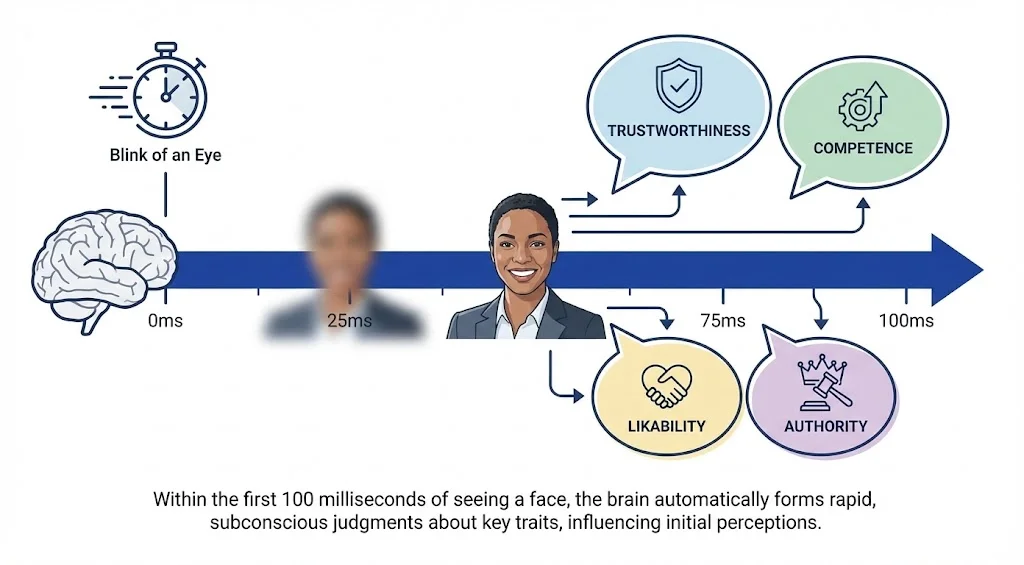
Research by Princeton University psychologist Alexander Todorov found that judgments about trustworthiness, competence, and likability form within 100 milliseconds of seeing a face-and these initial impressions rarely change even with extended exposure.
The most fundamental judgment. We're evolutionarily wired to quickly assess whether someone is friend or foe. In professional contexts, trustworthiness determines whether people want to work with you, share information, or recommend you.
Signals: Genuine smiles (engaging eye muscles), direct eye contact, open facial expressions, warm colors in background/clothing.
People assess your capability and expertise through facial cues. Competence judgments influence hiring decisions, business partnerships, and whether people take your advice seriously.
Signals: Confident posture, professional attire, mature facial features, glasses (perceived as more intelligent), neutral or slightly serious expression.
Likability determines whether people want to connect with you personally. In networking, sales, and collaborative environments, likability often matters as much as competence.
Signals: Genuine smiles, friendly facial expressions, approachable posture, warm colors, casual or smart-casual attire (vs. overly formal).
People quickly assess social status and leadership potential. Important for senior roles, thought leadership, and situations requiring authority.
Signals: Facial maturity, serious or neutral expression, formal attire, strong eye contact, structured composition, darker colors.
The Power of Facial Expressions
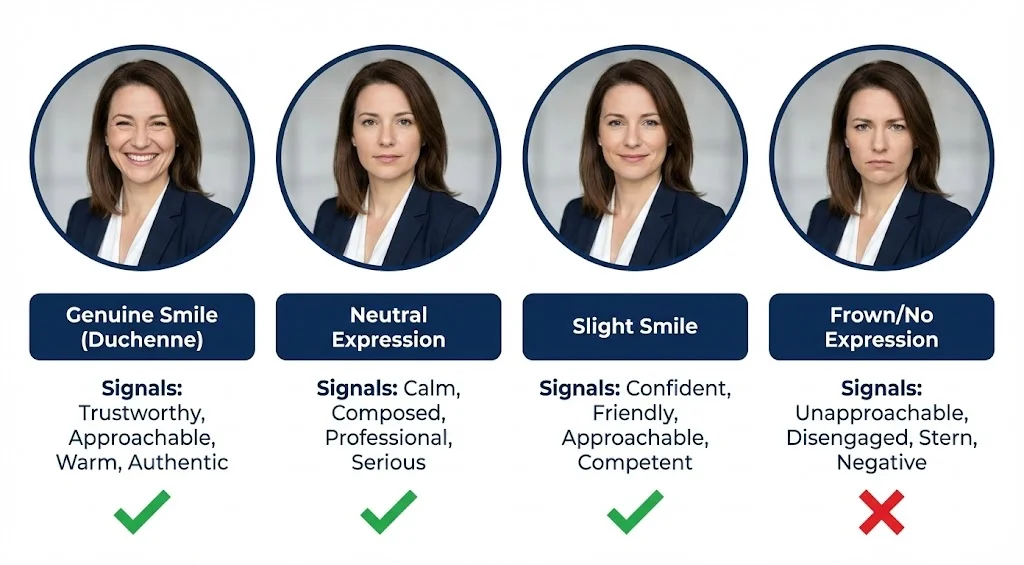
Your facial expression in your profile picture sends powerful signals:
A genuine smile engages both the mouth and eye muscles (crows feet), signaling authentic warmth and happiness. Research shows people with genuine smiles are rated as more trustworthy, likable, and approachable. Best for: client-facing roles, sales, networking, collaborative environments.
A composed, serious expression signals competence, professionalism, and authority. Less approachable but more authoritative. Best for: senior leadership, law, finance, situations where gravitas matters more than likability.
A subtle smile with closed mouth balances approachability and professionalism. Signals confidence without appearing overly casual. Best for: most professional contexts, a safe middle ground.
Blank or negative expressions are rated as less trustworthy and less competent. People unconsciously assume you're unhappy, unfriendly, or difficult to work with.
Research Finding: A study published in the journal Cognition and Emotion found that smiling faces are remembered 1.5 times better than neutral faces-making you more memorable in networking contexts.
Eye Contact and Gaze Direction
Where you're looking in your profile picture has psychological impact:
- Direct Gaze (Looking at Camera): Creates virtual eye contact with viewers. Increases perceived trustworthiness, engagement, and connection. Most appropriate for LinkedIn and professional profiles.
- Averted Gaze (Looking Away): Can appear contemplative or creative, but also less trustworthy and engaged. Generally avoid for professional profiles unless intentionally going for an artistic or contemplative brand.
- Eye Visibility: Research shows that visible eyes are crucial for trust assessment. Sunglasses, shadows over eyes, or photos where eyes aren't clearly visible reduce trustworthiness ratings significantly.
The Role of Attractiveness (and Why It's Not What You Think)
Research consistently shows that attractive people receive advantages in professional contexts-the "beauty premium" or "halo effect." However, the definition of attractiveness in professional contexts differs from social or romantic attractiveness:
- Good grooming and hygiene (neat hair, professional appearance)
- Appropriate attire for your industry
- Confidence in posture and expression
- Symmetry and good lighting (which you can control)
- Health cues (good skin, alertness, vitality)
- Authentic, warm expression
Important Finding: Research shows that "professional grooming" can boost perceived attractiveness more than natural features. Everyone can optimize these controllable elements.
Overly Attractive Can Backfire: For certain roles (especially women in traditionally male-dominated fields), appearing "too attractive" can trigger bias and reduce perceived competence. The solution: emphasize professional competence cues (glasses, formal attire, serious expression) to balance attractiveness.
Background Psychology
The background of your profile picture influences perception more than you might think:
- Solid Neutral Backgrounds: Focus attention entirely on your face. Signal professionalism and seriousness. No distracting context means competence is primary assessment.
- Office/Professional Settings: Signal workplace competence and legitimacy. Provide context about your professional environment. Too specific can date the photo quickly.
- Outdoor/Natural Settings: Increase approachability and warmth. Signal work-life balance and authenticity. Best with slight blur so you remain the focus.
- Busy or Distracting Backgrounds: Reduce viewer focus on you. Lower perceived professionalism. Can appear cluttered or unpolished. Generally avoid.
Color Psychology in Profile Pictures
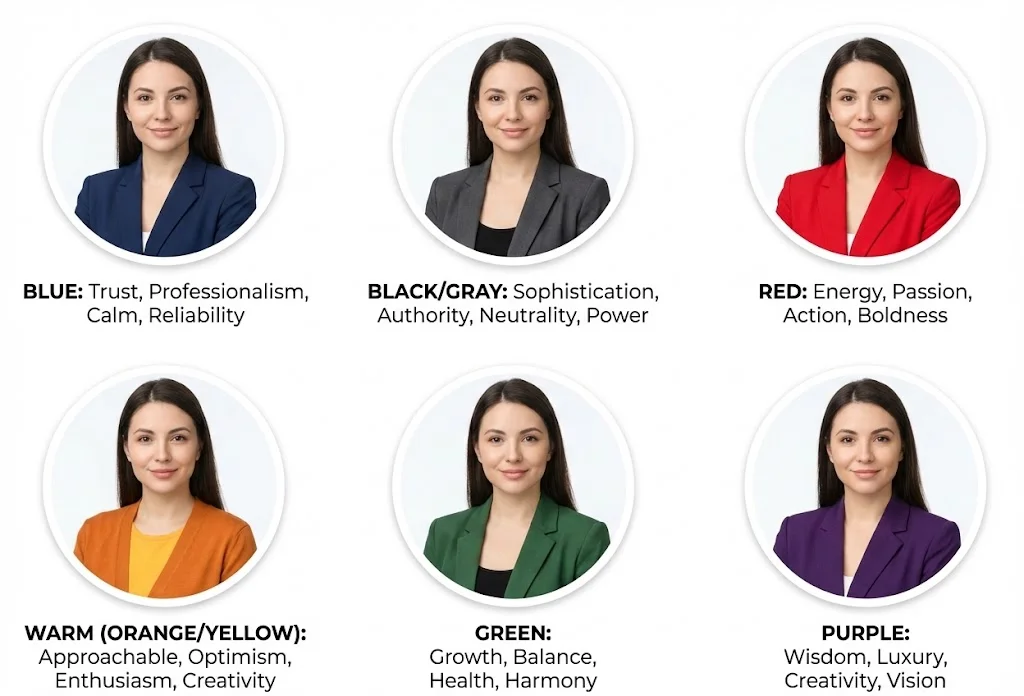
The colors in your profile picture (clothing, background, frames) unconsciously influence perception:
Gender Differences in Profile Picture Perception
Research reveals unfortunate but real gender biases in how profile pictures are interpreted:
- Smiling increases perceived warmth but can decrease perceived competence (unfair but real)
- More formal attire and serious expressions combat competence bias in male-dominated fields
- Attractive women face competence doubts in technical/leadership roles
- Balance warmth and authority through smart-professional styling
- Neutral or slight smile seen as confident and authoritative
- Overly serious can appear unfriendly or unapproachable
- Facial hair signals maturity and authority but can reduce perceived trustworthiness
- Balancing authority and approachability is key
Note: These biases are problematic and unfair, but understanding them helps you make strategic choices. The goal is working with reality while advocating for change.
The Impact of Glasses
Research on eyewear reveals interesting effects:
- Glasses Increase Perceived Intelligence: Multiple studies show people wearing glasses are rated as more intelligent, competent, and professional-regardless of actual competence.
- Glasses Can Reduce Perceived Attractiveness: But in professional contexts, competence often matters more than attractiveness.
- Frame Style Matters: Traditional frames signal intelligence; trendy frames signal personality; rimless signal approachability; dark thick frames signal authority.
Facial Maturity and Age Perception
Facial features associated with maturity influence professional perception:
Associated with dominance, leadership, competence. Beneficial for authority roles but can reduce perceived warmth.
Associated with warmth, approachability, trustworthiness. Beneficial for collaborative and client-facing roles but can reduce perceived authority.
If you have youthful features but need authority, emphasize: formal attire, serious expression, structured composition. If you have mature features but need approachability, emphasize: genuine smile, warmer colors, smart-casual styling.
The Mere Exposure Effect
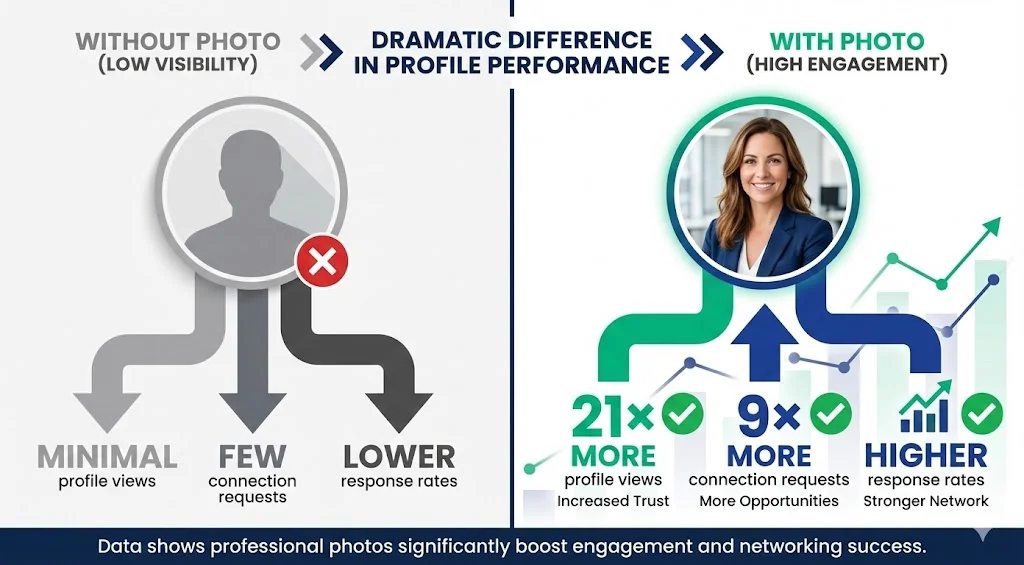
Simply having a photo (vs. no photo) dramatically impacts your LinkedIn effectiveness:
- Profiles with photos receive 21x more profile views
- Profiles with photos receive 9x more connection requests
- Messages from profiles with photos have significantly higher response rates
- People unconsciously trust profiles with photos more than those without
The mere exposure effect-our tendency to develop preferences for things we're familiar with-means that seeing your face repeatedly in their feed makes people feel they "know" you, increasing trust and likelihood of engagement.
Consistency and Recognition
Using the same or similar profile pictures across platforms leverages the psychological principle of consistency:
- People recognize and remember consistent visual branding across contexts
- Consistency signals professionalism and attention to detail
- Frequent changes confuse your network and reduce recognition
- Update strategically (when necessary) rather than frequently (for novelty)
Cultural Considerations
Profile picture psychology varies somewhat across cultures:
Applying Psychology to Your Profile Picture Strategy
Based on this research, optimize your profile picture:
- Define your goal: Authority? Approachability? Trustworthiness? Different goals require different strategies.
- Know your audience: What do they value? Technical competence? Warmth? Leadership?
- Match your expression to your goal: Genuine smile for approachability, slight smile for balance, neutral for authority.
- Optimize controllable factors: Lighting, grooming, attire, background, expression.
- Test and iterate: Try different approaches and track connection acceptance rates, profile views, and opportunities.
Final Thoughts
Understanding the psychology behind profile pictures isn't about manipulation-it's about strategic self-presentation. You're always making an impression; understanding how people process visual information helps you make the impression you intend. The research is clear: small details in your profile picture-expression, eye contact, background, colors-significantly impact how people perceive your trustworthiness, competence, likability, and authority. Armed with this knowledge, you can make informed choices that align with your professional goals and authentic self, creating a profile picture that opens doors and creates opportunities.
Apply the Psychology: Now that you understand what makes a profile picture effective, put it into practice. Use our free frame generator to add strategic visual elements that reinforce trustworthiness, competence, and professionalism.
Latest Articles

Frame Your Face with a Custom Banner 🖼️

Spice Up Your LinkedIn Profile with Emojis 💥

Stand Out with 𝑪𝒖𝒔𝒕𝒐𝒎 𝑭𝒐𝒏𝒕𝒔 on LinkedIn 🖋️

LinkedIn Profile Photo Best Practices for 2026

Personal Branding on LinkedIn: A Complete Guide

How to Choose the Right Colors for Your Profile Frame
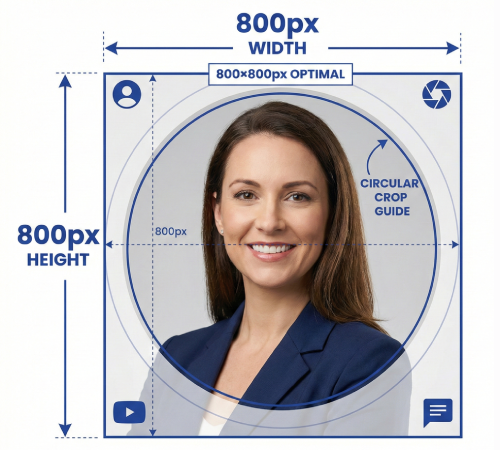
Profile Picture Dimensions Guide for All Social Platforms

Professional vs. Casual Profile Pictures: Which is Right for You?
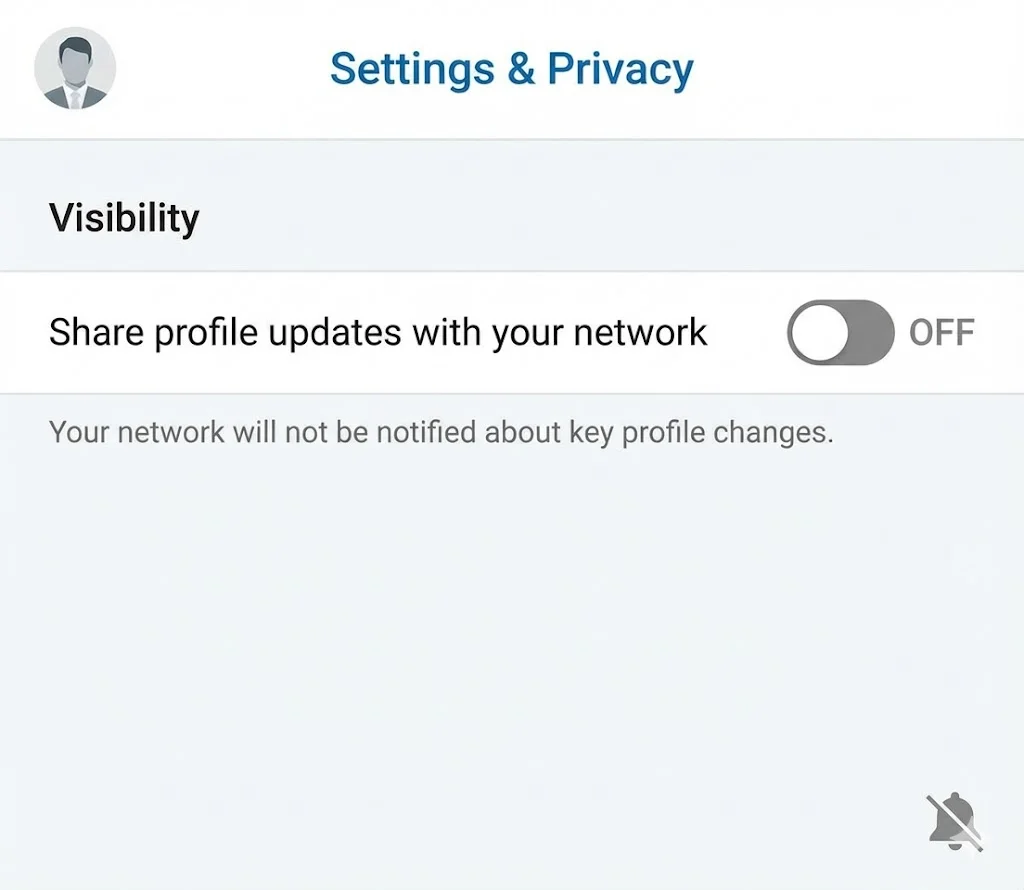
How to Update Your LinkedIn Profile Picture Without Notifying Everyone
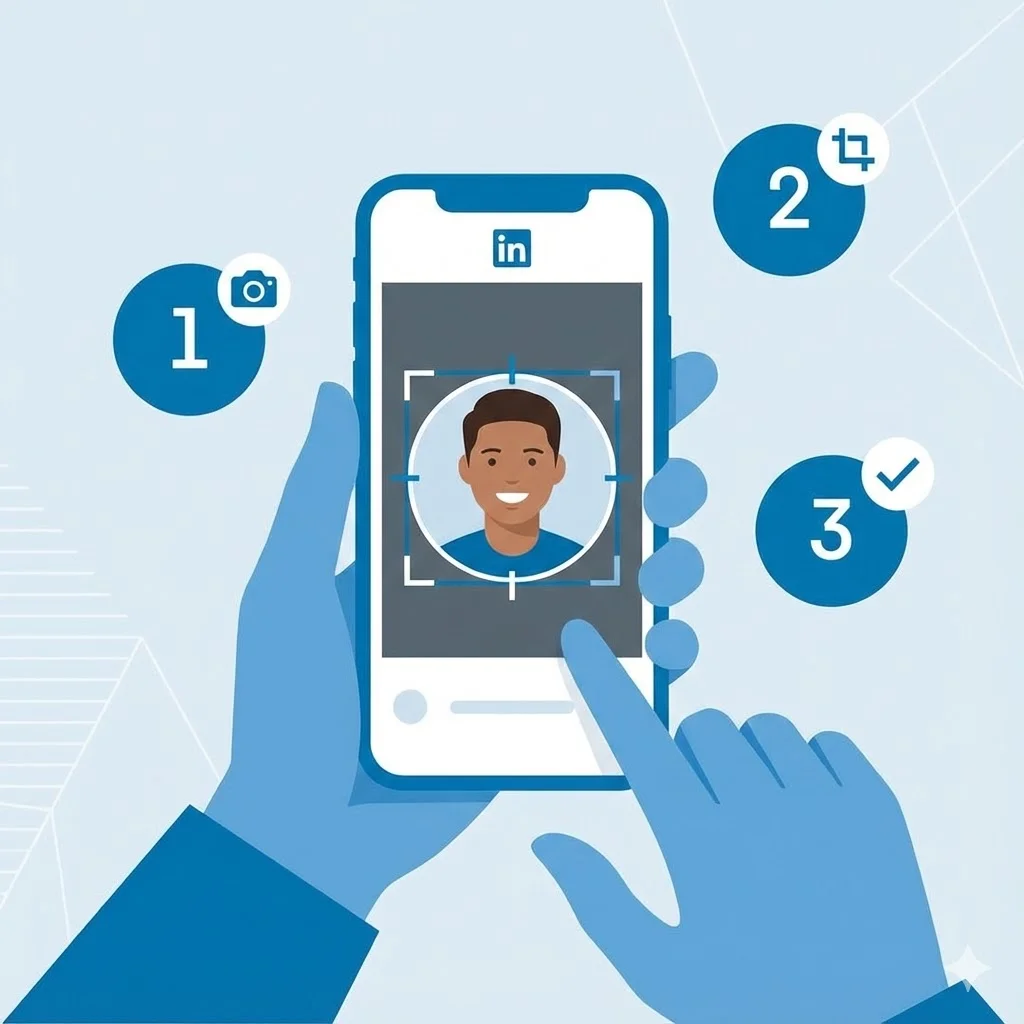
Step-by-Step Tutorial: Creating Your First Custom LinkedIn Frame
15 Common LinkedIn Profile Mistakes (And How to Fix Them)