LinkedIn Networking Tips: How to Make Meaningful Professional Connections
Beyond Connection Requests: Building a Network That Actually Helps Your Career
LinkedIn has over 900 million members, yet most professionals feel their network isn't working for them. They send connection requests that go unanswered, post content that gets ignored, and wonder why their "network" never seems to produce opportunities. The problem isn't LinkedIn - it's the approach.
Effective LinkedIn networking isn't about collecting connections like baseball cards. It's about building genuine professional relationships that create mutual value over time. Here's how to do it right.
From the Creator: Building Frame Generator connected me with thousands of LinkedIn professionals optimizing their profiles. The networking strategies below are patterns I've seen work repeatedly - from users who turned better profile visibility into real professional opportunities.
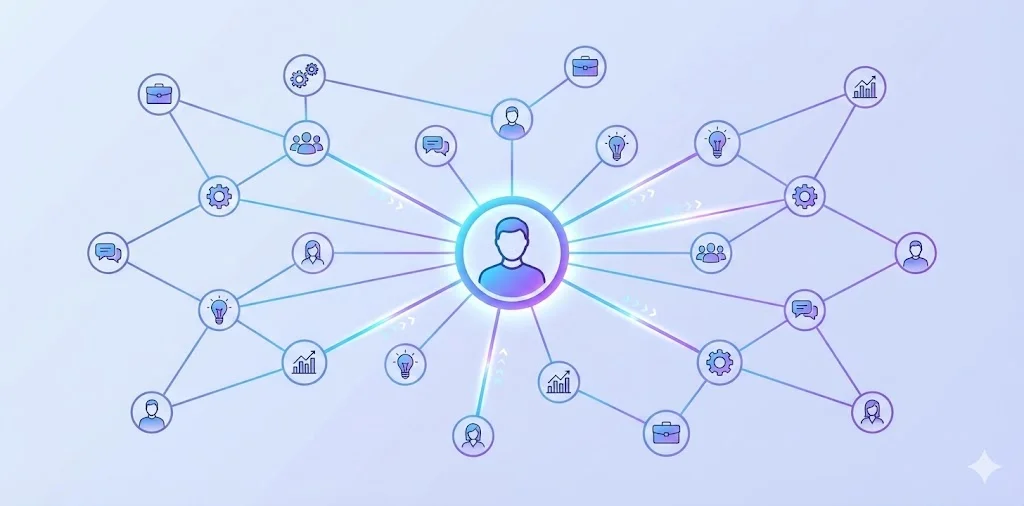
The Networking Mindset Shift
Before diving into tactics, let's address the fundamental mindset that separates successful networkers from those who struggle:
This shift from "taking" to "giving" transforms how people respond to you. When you consistently provide value without expecting immediate returns, you build a reputation that opens doors.
Optimizing Your Profile for Networking
Your profile is your first impression. Before sending connection requests, ensure your profile answers these questions for visitors:
Who are you? Your headline should clearly communicate your professional identity. "Marketing Manager" is okay. "B2B SaaS Marketing Manager | Helping startups scale from $1M to $10M ARR" is better.
What do you do? Your About section should explain your work in human terms, not corporate jargon.
Why should I connect? What value do you bring to your network? What topics do you engage with?
Are you credible? Does your experience, recommendations, and activity support your claims?
Profile Photo Tip: A professional, approachable photo significantly increases connection acceptance rates. Consider adding a custom frame to make your profile stand out in crowded feeds - tools like our frame generator can help you create one in seconds.
Sending Connection Requests That Get Accepted
The default "I'd like to add you to my professional network" message has an acceptance rate of around 20-30%. Personalized messages can push that to 50-70%. Here's how to write them:
The Anatomy of an Effective Connection Request
1. Context (why you're reaching out): "I came across your post about product-led growth..." or "We both attended the SaaS North conference..."
2. Relevance (why them specifically): "Your experience scaling customer success teams is exactly what I'm researching..."
3. Value proposition (what's in it for them): "I'd love to share some insights from my recent market research..." or simply "I think we could learn from each other's experiences."
Example that works: "Hi Sarah, I really enjoyed your article on remote team management - especially the async communication framework. I'm building something similar at my company and would love to connect and share notes. Either way, thanks for the great content!"
What doesn't work: "Hi, I'd like to connect." / "Hi, I see you work at [Company]. I'm looking for a job." / "Hi, I have an amazing opportunity for you."
Strategic Networking: Who to Connect With
Random networking is inefficient. Strategic networking focuses on building relationships in specific categories:
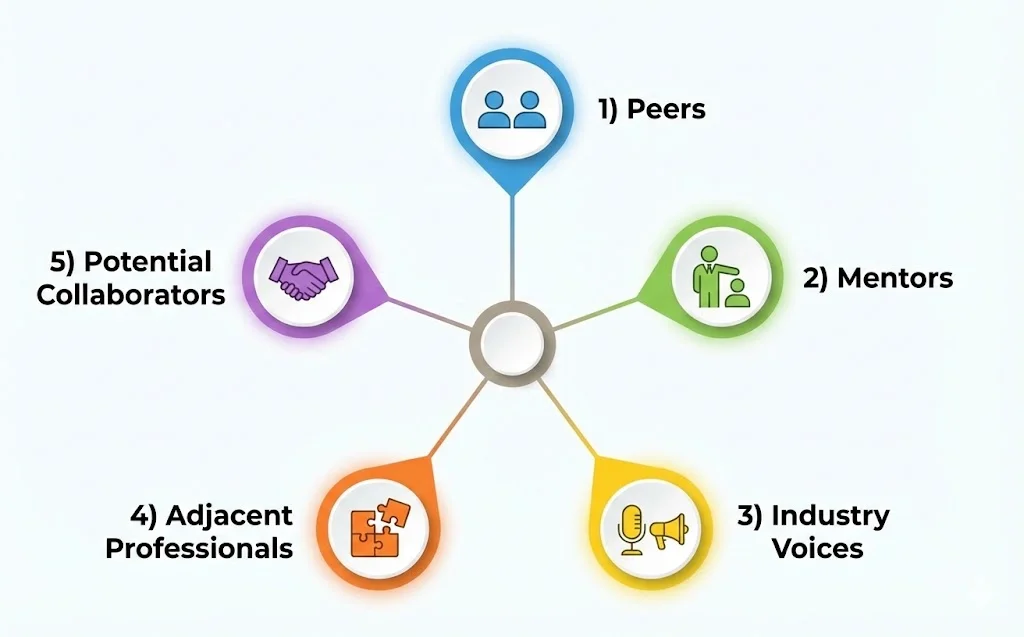
The 5 Categories of Strategic Connections
1. Peers: People at your level in similar roles. These become your support network, share job leads, and provide industry insights.
2. Mentors: People 5-10 years ahead in your desired career path. They offer guidance, perspective, and occasionally opportunities.
3. Industry voices: Thought leaders and content creators in your field. Engaging with their content increases your visibility.
4. Adjacent professionals: People in complementary roles (designers if you're a developer, sales if you're in marketing). They provide cross-functional perspective.
5. Potential collaborators: People you might work with someday - at target companies, in complementary businesses, or in your entrepreneurial ecosystem.
Aim to have representation across all five categories. A network heavy on only peers or only mentors misses valuable perspectives.
Engaging Authentically: Beyond the Like Button
Connections mean nothing without engagement. Here's how to build relationships through meaningful interaction:
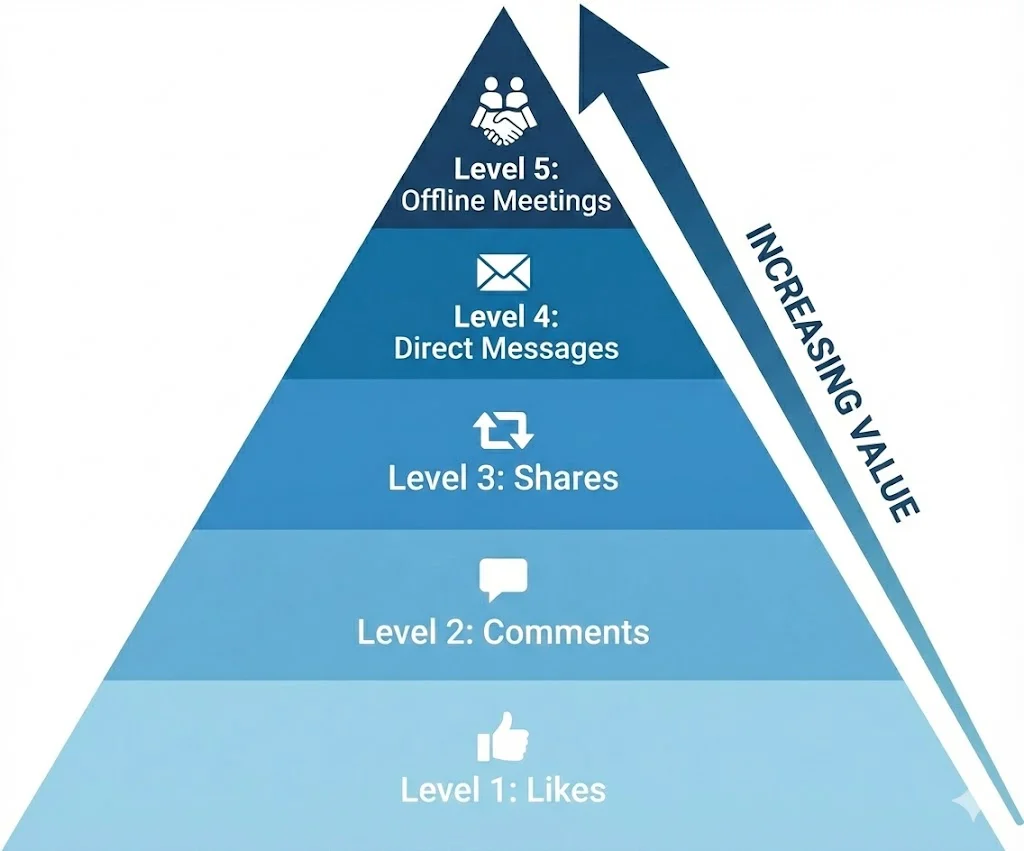
The Engagement Hierarchy
Level 1 - Passive: Liking posts (minimal value, but shows you're paying attention)
Level 2 - Reactive: Thoughtful comments that add perspective or ask questions
Level 3 - Proactive: Sharing others' content with your own commentary
Level 4 - Direct: DMs that continue conversations or offer specific value
Level 5 - Offline: Video calls, coffee chats, or in-person meetings
Most people stay at Level 1. Moving to Levels 2-3 puts you ahead of 90% of LinkedIn users. Levels 4-5 are where real relationships form.
Comment Quality Matters: "Great post!" adds no value. Instead, try: "This resonates - we implemented something similar last quarter and found that [specific insight]. Have you seen the same pattern?" Comments that share experience or ask intelligent questions get noticed.
The Art of the Follow-Up
Networking isn't a single interaction - it's an ongoing relationship. Here's how to follow up without being annoying:
Follow-Up Templates That Work
After connecting: "Thanks for connecting! I noticed you recently [something from their activity]. Would love to hear more about that sometime."
Sharing relevant content: "Saw this article and thought of our conversation about [topic]. Thought you might find it interesting: [link]"
Congratulating milestones: "Congrats on the new role! [Company] is doing interesting work in [area]. How are you finding it?"
Reconnecting after time: "It's been a while since we connected. I've been following your posts about [topic] - really insightful. How have things been?"
The key is providing value or showing genuine interest - not asking for favors. Build the relationship first; the opportunities follow naturally.
Creating Content That Attracts Connections
The most efficient networking happens when people come to you. Creating valuable content positions you as someone worth knowing:
Share what you're learning: "Three things I learned this week about [topic]..."
Document your journey: "Here's how we solved [problem] at my company..."
Curate and comment: "Just read [article/book]. Key takeaway: [insight]. Here's how I'm applying it..."
Ask thoughtful questions: "I'm curious - how does everyone handle [common challenge]?"
You don't need to be an expert to create content. Sharing your learning process is often more relatable and valuable than polished expertise.
Common Networking Mistakes to Avoid
The immediate pitch: Connecting and immediately selling something destroys trust. Build relationship first.
The generic blast: Sending identical messages to dozens of people. It's obvious and ineffective.
The drive-by connection: Connecting without ever engaging again. These connections provide zero value.
The one-way relationship: Only reaching out when you need something. Relationships require consistent nurturing.
The over-sharer: Posting multiple times daily or commenting on everything. Quality beats quantity.
The invisible networker: Connecting but never posting, commenting, or engaging. Your network forgets you exist.
Building a Networking Routine
Consistent small actions beat occasional bursts. Here's a sustainable weekly networking routine:
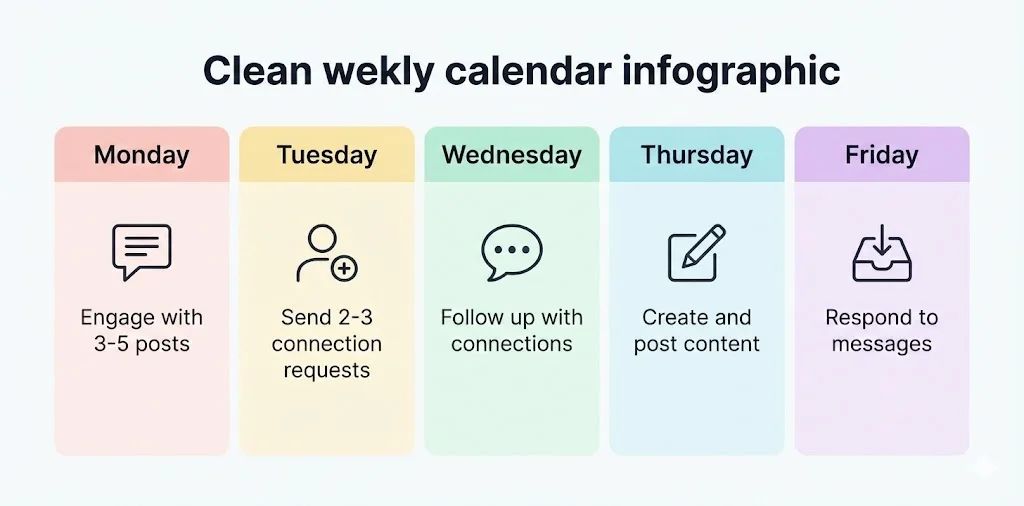
This routine takes about 1.5 hours per week total but compounds over time. In a year, you'll have made 100+ quality connections and engaged meaningfully with hundreds more.
When Networking Pays Off
The results of good networking often come unexpectedly - and months after the initial interaction. Here's what to expect:
Short term (1-3 months): Increased profile views, more engagement on your content, a few meaningful conversations
Medium term (3-12 months): Introductions to new opportunities, collaboration invitations, people reaching out to you
Long term (1+ years): Job opportunities, business partnerships, speaking invitations, mentorship relationships
The professionals who "get lucky" with LinkedIn are usually those who've been consistently building relationships for months or years. There's no shortcut - but the investment is worth it.
Start Today: Pick one person in your feed whose content you genuinely appreciate. Leave a thoughtful comment. That's networking. Do it consistently, and your professional world will expand in ways you can't predict.
Make Every Impression Count: Your profile picture is often the first thing new connections notice. Make it memorable with a custom profile frame that signals your professional identity and makes you stand out in crowded feeds.
Latest Articles
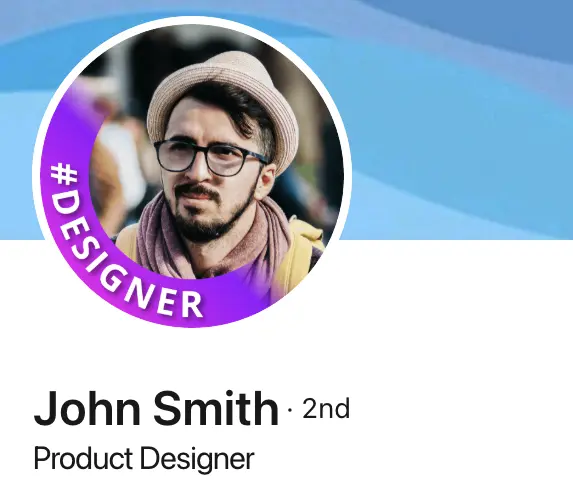
Frame Your Face with a Custom Banner 🖼️
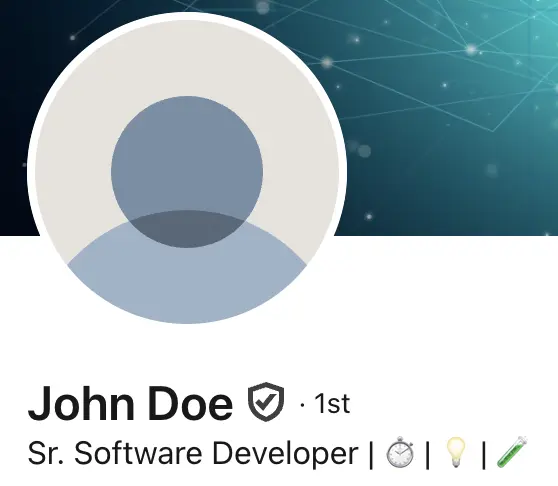
Spice Up Your LinkedIn Profile with Emojis 💥
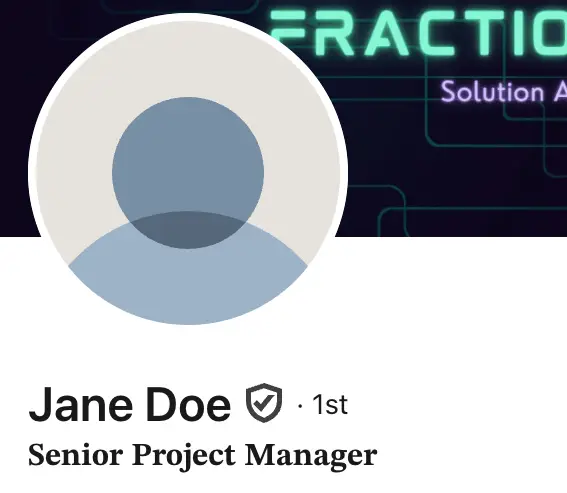
Stand Out with 𝑪𝒖𝒔𝒕𝒐𝒎 𝑭𝒐𝒏𝒕𝒔 on LinkedIn 🖋️
LinkedIn Profile Photo Best Practices for 2026
Personal Branding on LinkedIn: A Complete Guide
How to Choose the Right Colors for Your Profile Frame
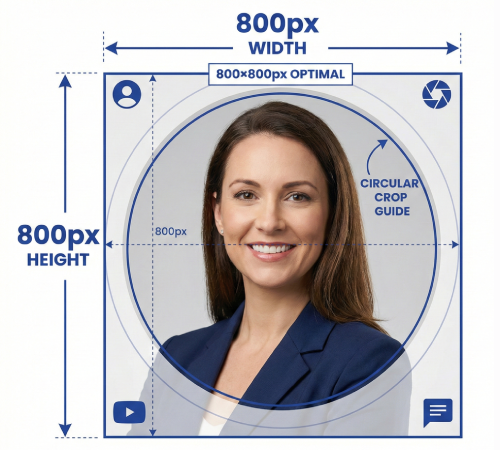
Profile Picture Dimensions Guide for All Social Platforms
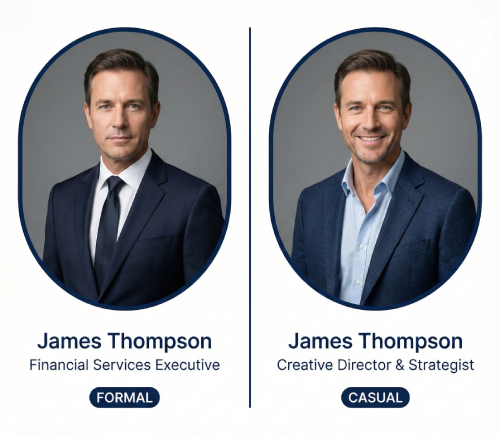
Professional vs. Casual Profile Pictures: Which is Right for You?
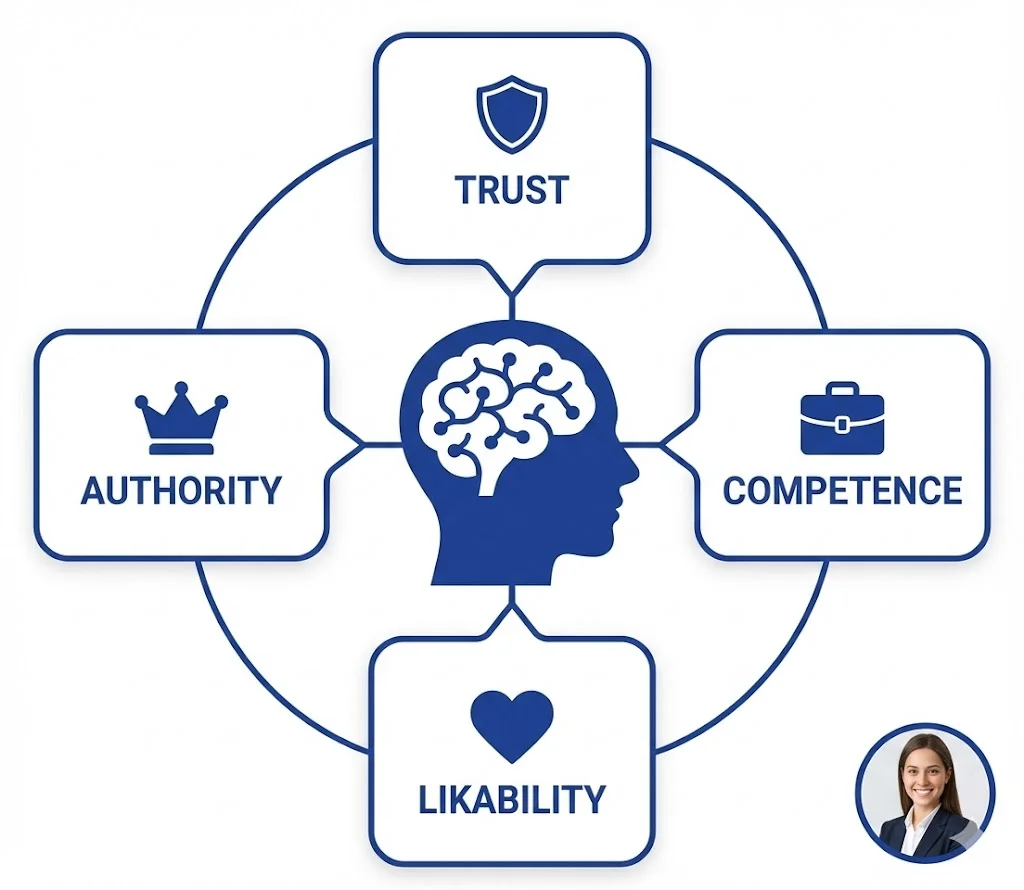
The Psychology of Profile Pictures in Professional Networking
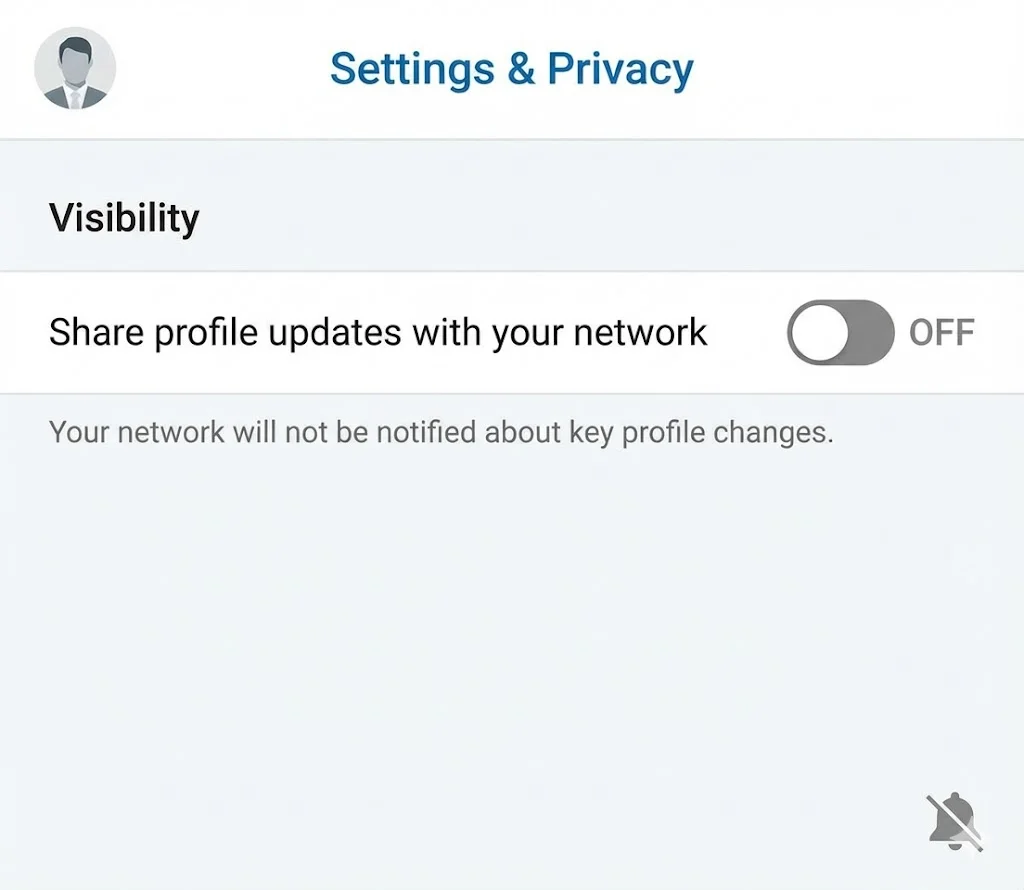
How to Update Your LinkedIn Profile Picture Without Notifying Everyone
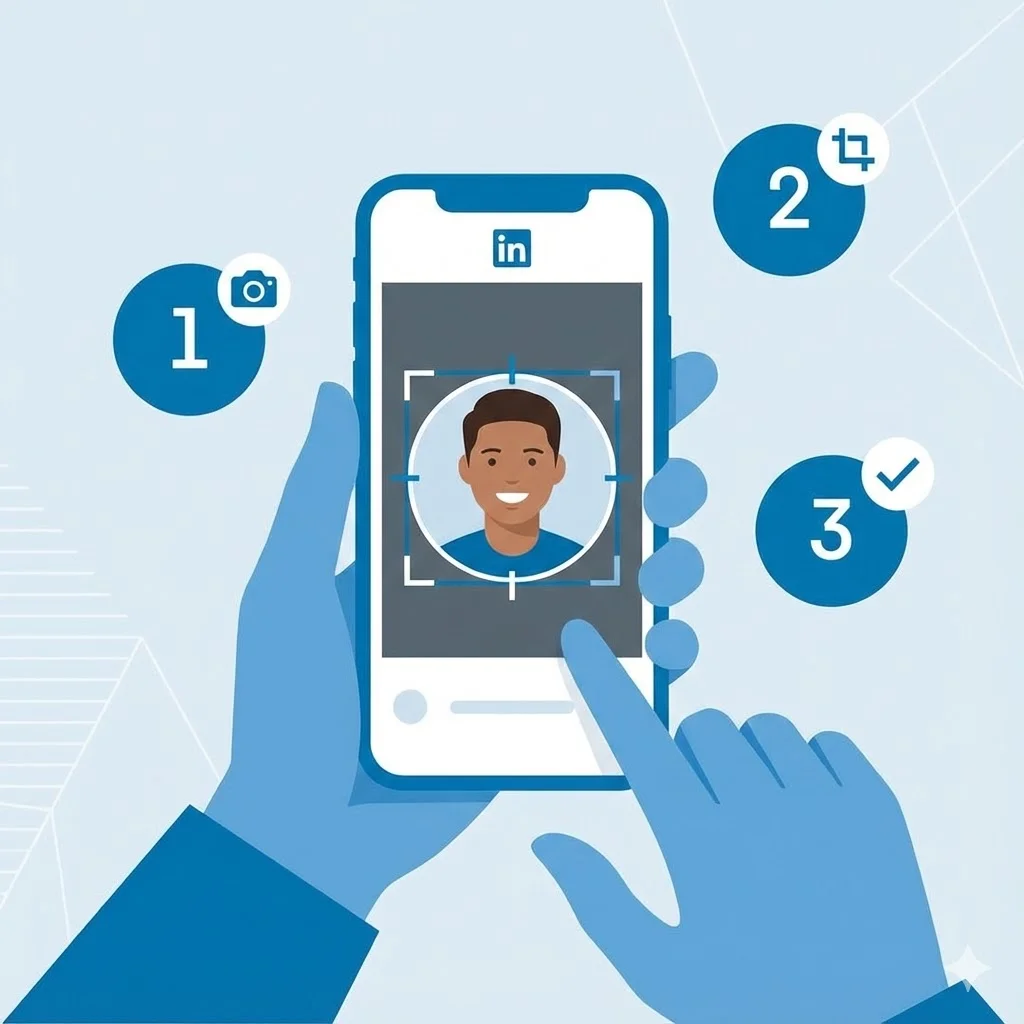
Step-by-Step Tutorial: Creating Your First Custom LinkedIn Frame