Professional vs. Casual Profile Pictures: Which is Right for You?
Navigate the Spectrum from Business Formal to Smart Casual
One of the most common questions professionals face when updating their LinkedIn profile picture is: "Should I go formal or casual?" The answer isn't one-size-fits-all-it depends on your industry, career goals, company culture, and personal brand. The stakes are real: choose too formal and you might appear stiff or unapproachable; too casual and you risk seeming unprofessional or not serious about your career.
This guide will help you understand the spectrum from business formal to smart casual, identify what's appropriate for your situation, and make an informed decision that advances your career goals while staying authentic to who you are.
From the Creator: After seeing thousands of profiles created with Frame Generator, I've noticed clear patterns in what works for different industries and career stages. This guide distills those observations into actionable advice for choosing the right level of formality.
Understanding the Spectrum
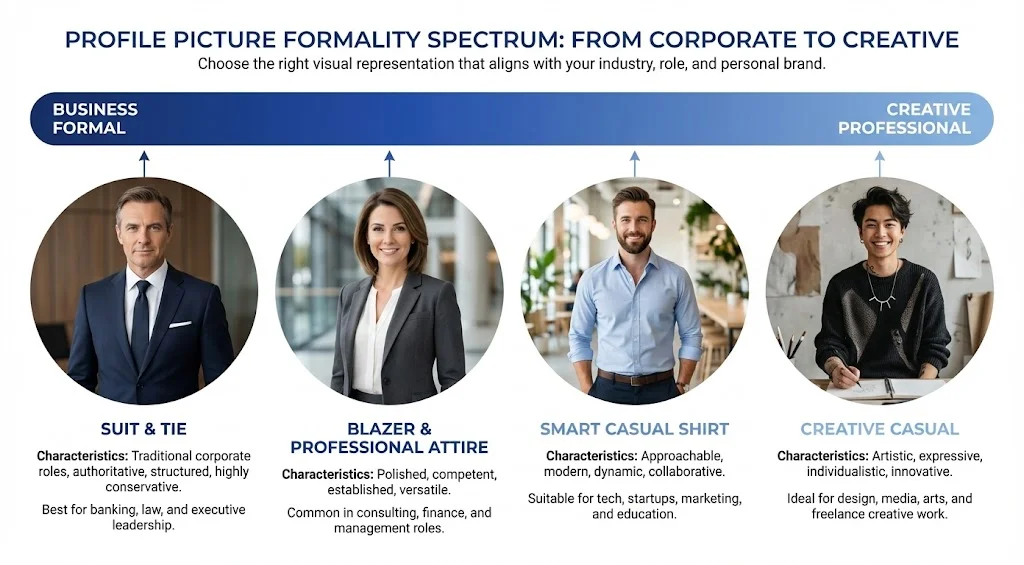
Profile picture style isn't binary-it's a spectrum with multiple stops between formal and casual:
What it looks like: Dark suit and tie for men, professional suit or blazer for women, solid background, serious expression, studio-quality lighting.
Message it sends: Authority, seriousness, traditional professionalism, established credibility.
What it looks like: Blazer or professional attire, business casual dress, professional setting, friendly but composed expression, natural or professional lighting.
Message it sends: Competent, approachable, professional, reliable.
What it looks like: Button-down shirt without tie, professional sweater, neat casual clothing, neutral or office background, warm smile, good natural lighting.
Message it sends: Modern professional, approachable, authentic, confident without being formal.
What it looks like: Stylish casual wear, interesting backgrounds, personality visible, genuine expression, creative lighting or angles.
Message it sends: Creative, innovative, individual, confident in your unique style.
Industry Expectations
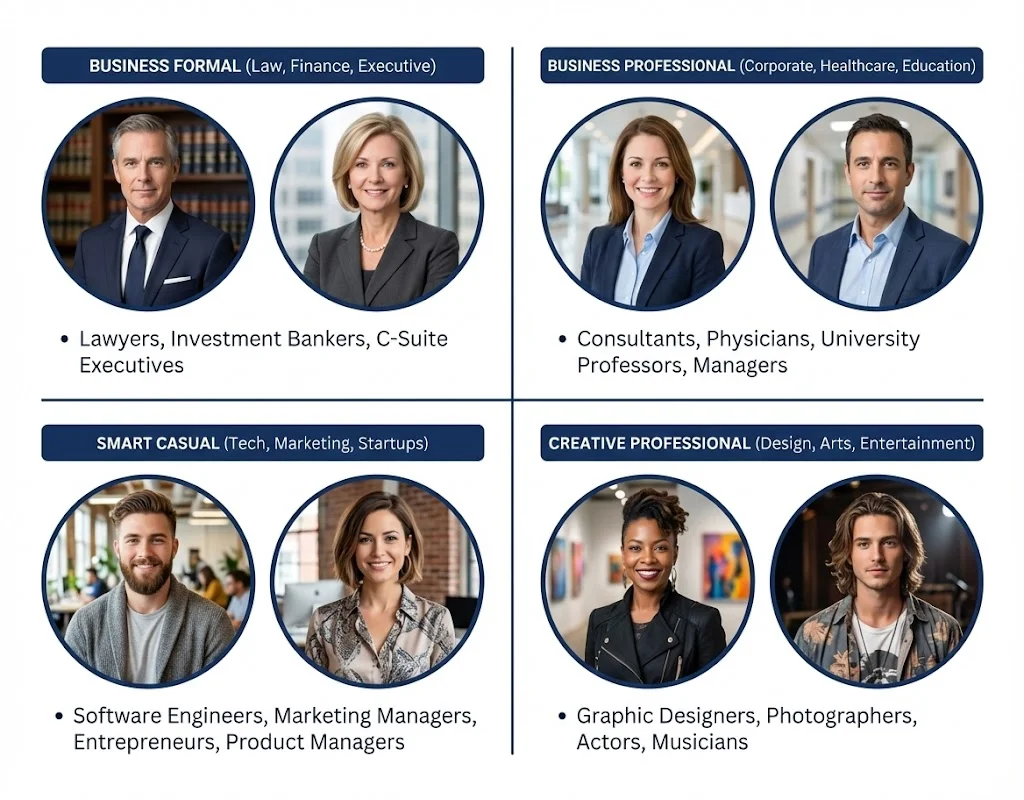
Different industries have different norms. Here's a breakdown by sector:
- Law: Partners, attorneys, legal professionals
- Finance: Investment banking, private equity, traditional banking
- Executive Leadership: C-suite, board members, senior executives
- Government: Politicians, diplomats, high-level civil servants
- Consulting: Management consulting (McKinsey, Bain, BCG tier)
Why: These industries value tradition, trust, and authority. Clients expect formal professionalism and conservative presentation.
- Corporate Roles: Middle management, HR, operations in traditional companies
- Healthcare: Doctors, nurses, medical administrators
- Education: Teachers, professors, academic administrators
- Real Estate: Agents, brokers, property managers
- Sales: B2B sales, account managers, business development
Why: These roles require professionalism but benefit from approachability. Too formal can create distance from clients or students.
- Technology: Software developers, product managers, startup employees
- Marketing: Digital marketers, content creators, social media managers
- Startups: Most roles in startup environments
- Nonprofit: Program managers, community organizers, nonprofit staff
- Remote Work: Remote-first companies and digital nomads
Why: These environments value authenticity and cultural fit alongside competence. Overly formal presentation can suggest you don't understand the culture.
- Design: Graphic designers, UX/UI designers, creative directors
- Arts: Photographers, artists, musicians, performers
- Entertainment: Media, production, entertainment industry
- Fashion: Fashion designers, stylists, industry professionals
- Influencers/Creators: Content creators, influencers, personal brands
Why: Your creative personality is part of your professional value. Showing individuality and style demonstrates your creative capabilities.
Company Culture Considerations
Even within the same industry, company culture varies dramatically:
- Traditional Corporate: Large, established companies (Fortune 500, etc.) lean toward business professional or formal. When in doubt, match what current employees show in their profiles.
- Startups and Tech: Usually favor smart casual or creative professional. A suit and tie might actually work against you by suggesting you won't fit the culture.
- Hybrid Environments: Companies transitioning or with mixed cultures (like tech companies going public) often benefit from business professional-the middle ground.
- Remote-First: Tend to be more casual overall. Your home office background and smart casual attire signal you're comfortable in remote work culture.
Research Tip: Before deciding, look at profile pictures of successful people in your target role at your target company. Their choices reveal unspoken cultural expectations.
Career Stage Matters
Your career stage influences the appropriateness of formal vs. casual:
Generally benefit from leaning slightly more professional than established peers. You're establishing credibility and haven't yet earned the latitude for very casual presentation. Business professional is usually the sweet spot.
Have more flexibility. Your experience speaks for itself, so you can calibrate based on personal brand goals and culture fit rather than proving yourself.
Expected to project authority and gravitas. Even in casual industries, senior leaders often present more formally than junior staff. The exception is founders in startup culture.
When changing industries or roles, match the norms of where you're going, not where you've been. Transitioning from corporate to tech? Update to smart casual. Going from startup to corporate? Add a blazer.
Personal Brand Alignment
Your profile picture should align with your personal brand strategy:
- Building Authority: If you're positioning yourself as an expert, thought leader, or authority figure, lean more professional/formal. This signals seriousness and credibility.
- Emphasizing Approachability: If you're in coaching, teaching, client services, or community-building roles, smart casual with a warm smile beats formal every time.
- Showcasing Creativity: If your value proposition includes creativity, innovation, or unique perspective, your photo should reflect that individuality.
- Building Trust: For roles involving money, legal matters, or sensitive information, more formal presentation helps establish the trustworthiness clients need.
When to Use Frames and How They Affect Formality
Adding frames to your profile picture can shift the formality level:
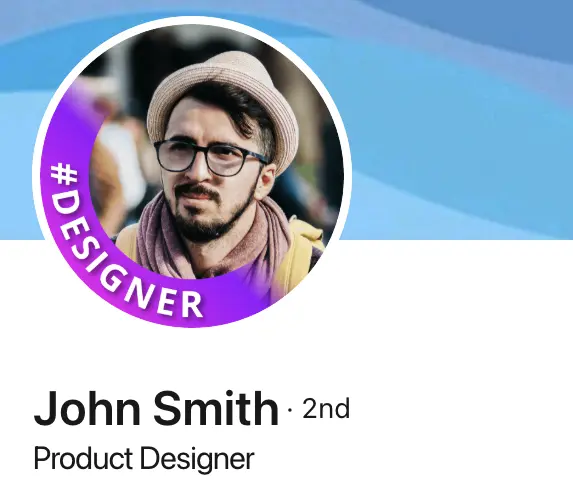
Subtle, simple frames in professional colors (navy, gray, black). Text stating credentials or role (e.g., "CPA," "Attorney," "CEO"). These maintain professionalism while adding useful information.
Frames highlighting certifications, company affiliation, or professional achievements. Work across formality levels and add credibility without appearing casual.
Frames supporting causes (Ukraine flag, LGBTQ+ pride, environmental causes) add personality and values. More casual overall but widely accepted across industries for temporary periods.
Colorful, designed frames with personality work best in casual-friendly industries. Can appear unprofessional in conservative fields unless very subtle.
Frame-Generator.com offers both subtle professional frames and creative options, allowing you to match the frame style to your industry and formality level.
Decision Framework: 10 Questions to Ask
Still not sure? Ask yourself these questions:
- What industry am I in, and what's the typical dress code?
- What level am I at in my career?
- Am I trying to move up, change industries, or stay where I am?
- What do successful people in my target role wear in their photos?
- Does my company culture lean formal or casual?
- Am I client-facing or internal-focused in my role?
- What's more important for my goals: authority or approachability?
- Would I wear this outfit to an important meeting or client presentation?
- Does this photo represent who I want to be in 2-3 years?
- Do I feel like myself, or am I wearing a costume?
If your answers lean toward traditional, client-facing, senior-level, and authority-building, go more formal. If they lean toward modern, internal, creative, and approachability-focused, go more casual.
Common Mistakes in Both Directions
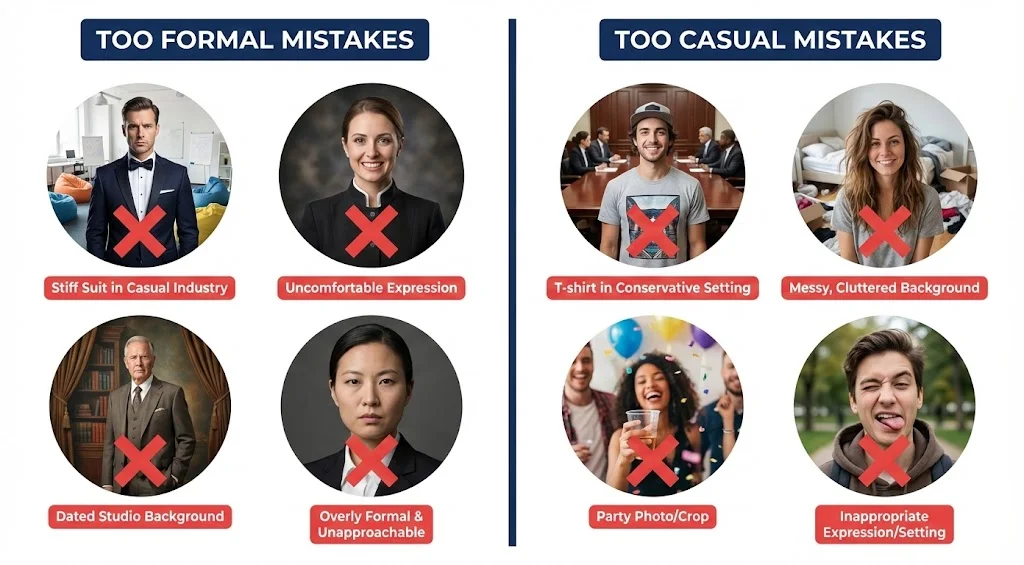
- Wearing a suit in a hoodie-friendly industry (signals cultural mismatch)
- Stiff, unsmiling expression (appears unapproachable or unfriendly)
- Overly formal studio backgrounds (dated, disconnected from modern work)
- Formal attire inconsistent with your actual daily work style (inauthentic)
- T-shirts or tank tops in client-facing roles (unprofessional)
- Visible home environments (messy rooms, unmade beds) in background
- Party photos or vacation selfies (wrong context for LinkedIn)
- Overly casual in conservative industry (signals you don't understand norms)
The Middle Ground: Business Professional
When in doubt, business professional is the safest bet:
- Men: Collared shirt, optional blazer, no tie necessary, neutral colors
- Women: Blouse, blazer optional, professional but not formal, simple jewelry
- All: Professional setting, warm but composed expression, good lighting
This middle ground works across most industries, career levels, and situations. It says "I'm professional and competent, but also human and approachable."
Updating Your Photo When You're Unsure
If you're between roles, industries, or just uncertain:
- Take photos at multiple formality levels during the same photo session
- Get feedback from mentors or trusted colleagues in your target field
- Test different versions by updating quarterly and tracking connection requests / profile views
- Have both formal and casual options ready for different networking contexts
- Remember you can always update-it's not permanent
Final Thoughts
The professional vs. casual decision isn't about right or wrong-it's about strategic alignment with your goals, industry, and authentic self. The best profile picture is one that:
- Accurately represents the professional you
- Matches your industry and company culture expectations
- Aligns with your personal brand goals
- Feels authentic rather than costume-like
- Opens doors rather than closes them
When you find that balance, your profile picture becomes a powerful asset that attracts the right opportunities while staying true to who you are. And remember: you can always update as your career, goals, or industry norms evolve.
Find Your Perfect Style: Browse our preset gallery to see frames designed for different industries and formality levels, or create your own custom frame that matches your professional style.
Latest Articles
Frame Your Face with a Custom Banner 🖼️
Spice Up Your LinkedIn Profile with Emojis 💥
Stand Out with 𝑪𝒖𝒔𝒕𝒐𝒎 𝑭𝒐𝒏𝒕𝒔 on LinkedIn 🖋️
LinkedIn Profile Photo Best Practices for 2026
Personal Branding on LinkedIn: A Complete Guide
How to Choose the Right Colors for Your Profile Frame
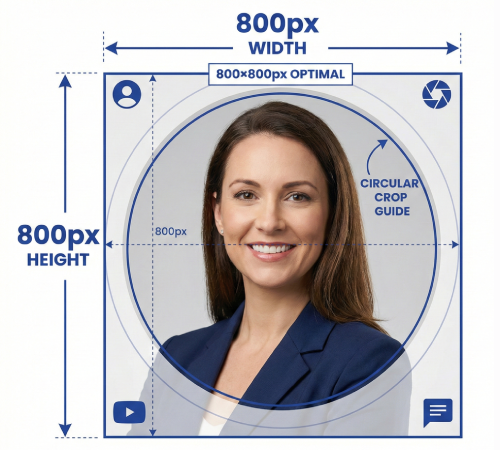
Profile Picture Dimensions Guide for All Social Platforms
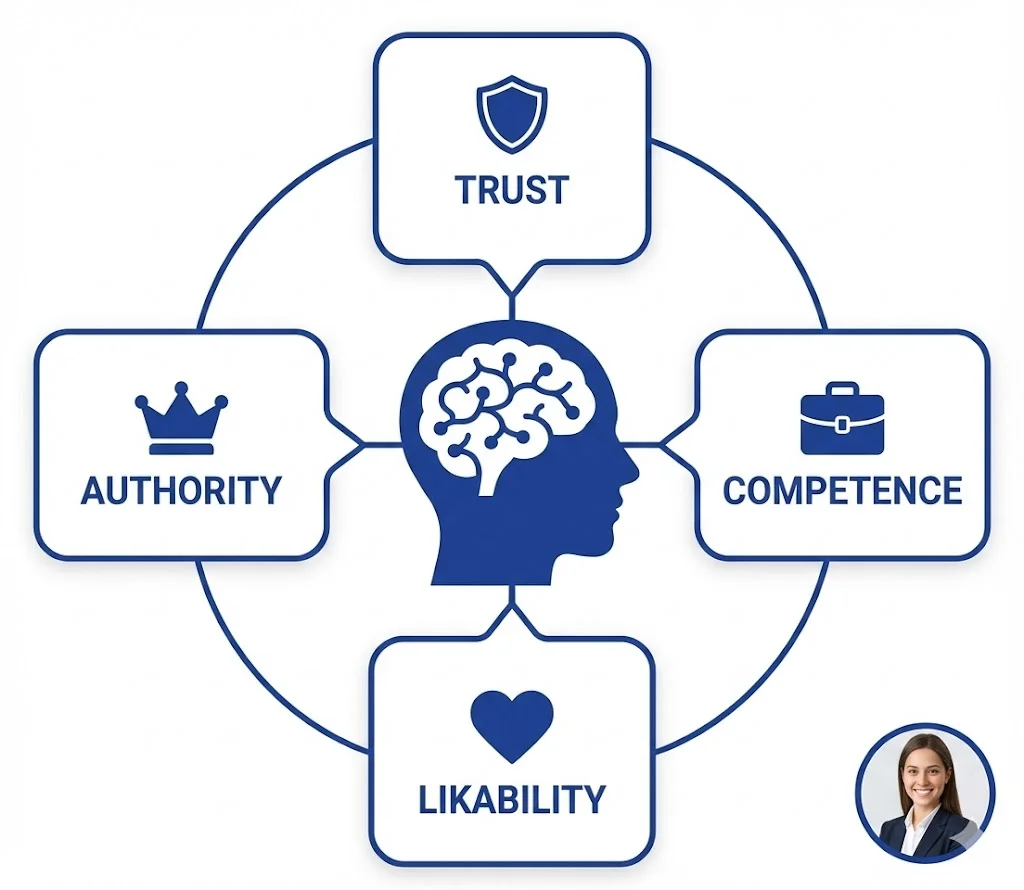
The Psychology of Profile Pictures in Professional Networking
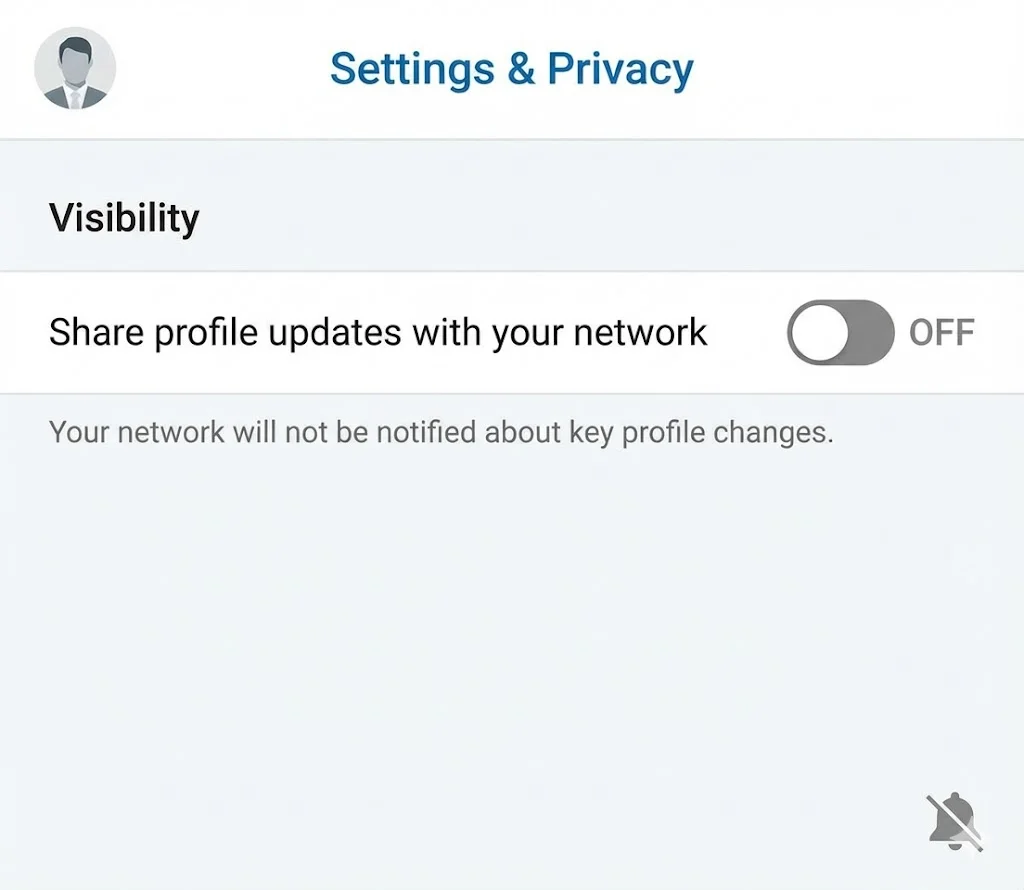
How to Update Your LinkedIn Profile Picture Without Notifying Everyone
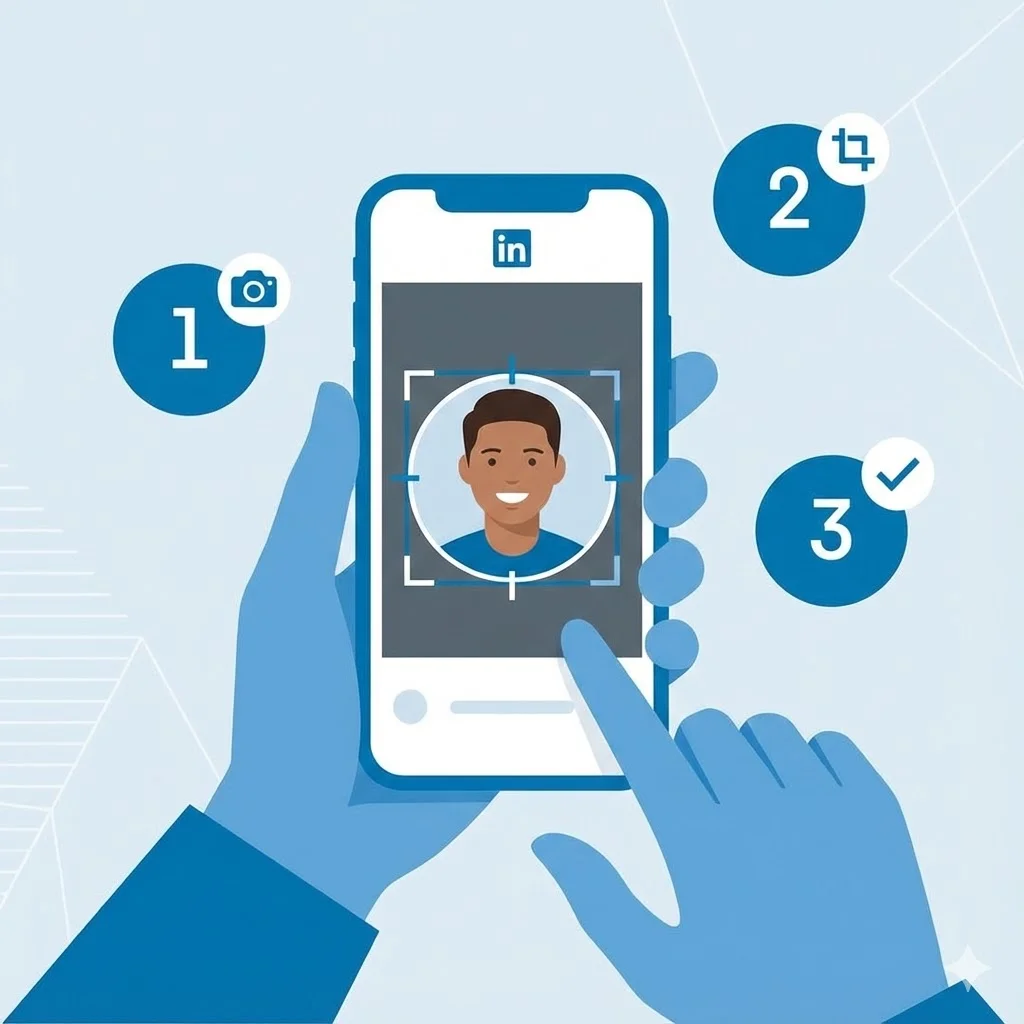
Step-by-Step Tutorial: Creating Your First Custom LinkedIn Frame
15 Common LinkedIn Profile Mistakes (And How to Fix Them)